Where Should I Live in Retirement? A Guide to Your Housing Options
At a Glance
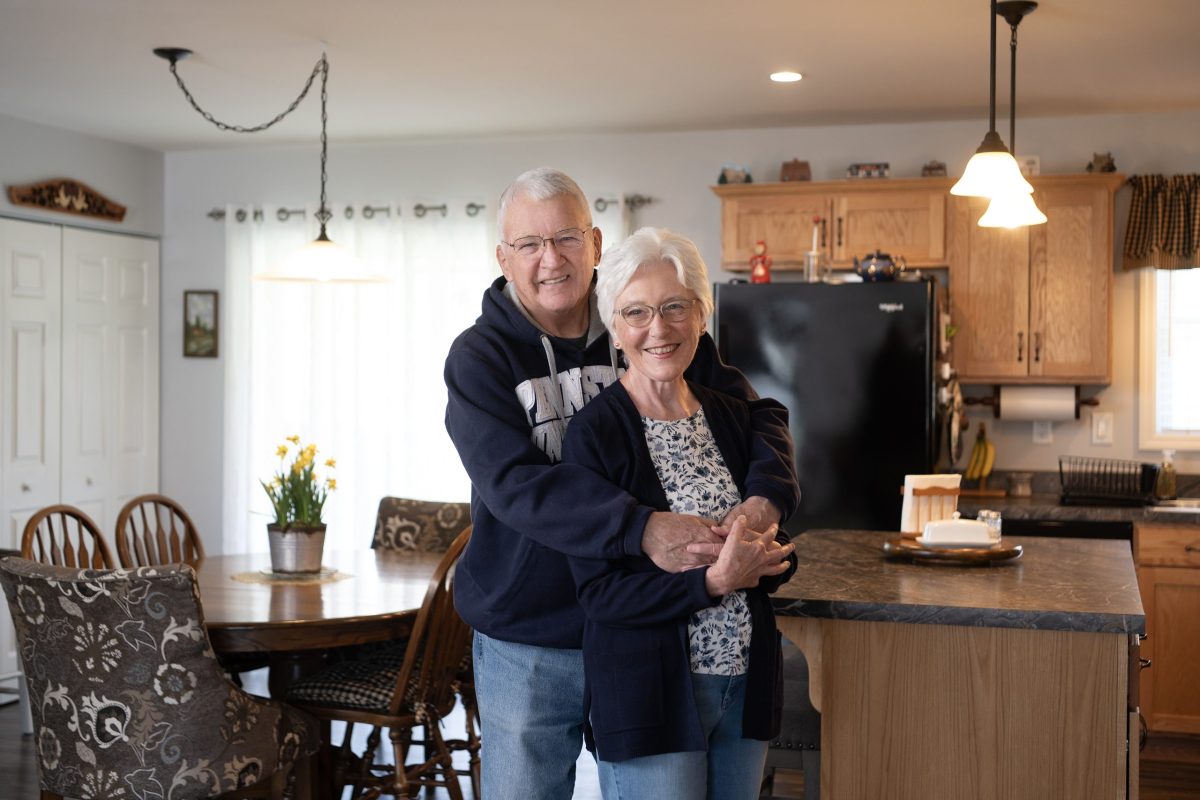
Retirement housing options generally include staying in your current home, downsizing to an apartment or condo, moving to a 55+ community or choosing a retirement living community, also known as independent living. When comparing options, consider total housing costs, maintenance responsibilities, amenities, opportunities for social connection and access to additional support if your needs change. Most retirement living communities combine a private, independent home with conveniences such as maintenance, onsite dining options, activities and other amenities.
Deciding where to live once you retire is much more than choosing a new address. Where you choose to live can affect your finances, free time, social life and how easily you can adapt if your needs change.
Each housing option offers different advantages. Staying at home may provide familiarity, while downsizing can mean less space and fewer responsibilities. A 55+ community may offer a few amenities and opportunities to connect with others in a similar stage of life. A retirement living community offers another option: a private home and independent lifestyle with maintenance, amenities, activities and other conveniences built into the community.
At Concordia Lutheran Ministries, residents can choose from apartments, cottages, villas, townhomes and patio homes at communities across Western Pennsylvania and eastern Ohio. As you consider where you want to spend your retirement years, understanding how these options differ can help you determine which lifestyle best fits your priorities now and for the future.
Staying in Your Current Home
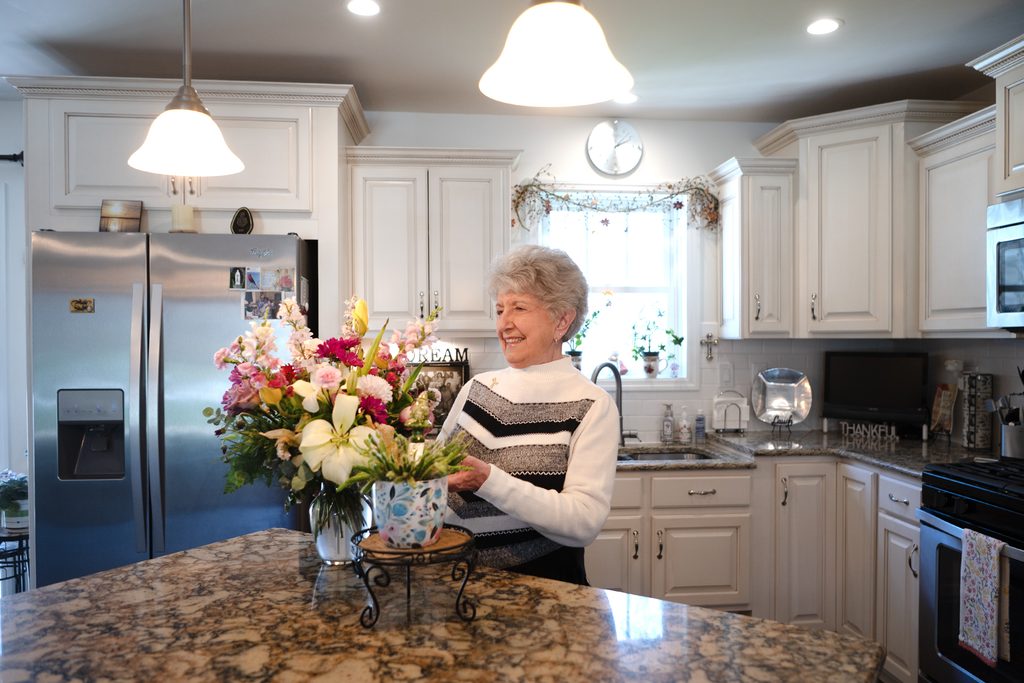
For many retirees, the first option is the most familiar one: staying right where you are. You know the neighborhood, you may have decades of memories there and, if your mortgage is paid off, staying put can seem like the obvious financial choice.
Still, a paid-off house isn’t a cost-free house. Property taxes, homeowners insurance, utilities and routine maintenance continue, along with less predictable expenses such as replacing a roof, furnace or appliance. Maintaining a home also takes time that could be spent traveling, volunteering, enjoying hobbies or visiting family and friends.
If you enjoy caring for your home, those responsibilities may be worthwhile. But retirement is also a good time to consider whether you would rather spend less time maintaining a house and more time enjoying what matters to you.
Apartment, Condo or 55+ Community?
Downsizing to a traditional apartment or condo can mean less space and fewer maintenance responsibilities. A 55+ community may add age-restricted housing, amenities, recreational opportunities and neighbors in a similar stage of life.
What’s included can vary considerably with either option. Dining, activities, transportation, home maintenance and access to additional support may or may not be available.
As you compare retirement housing options, look beyond square footage and monthly costs. Ask what your everyday life will look like after the move – and whether your choice provides the lifestyle, community and support you want for the years ahead.
How Is Retirement Living Different?
Retirement living – sometimes called independent living – is designed for older adults who can live independently but would like a simpler, more convenient lifestyle. You don’t have to need daily care to choose it.
Many people make the move precisely because they are active and independent and want to spend less time worrying about home maintenance and more time enjoying retirement.
“One of the biggest misconceptions we hear is that you have to wait until you need help to consider retirement living,” said Connor Hagey, Concordia’s Director of Retirement Living. “For many people, the best time to move is while they’re active and independent, so they can really take advantage of the lifestyle.”

At Concordia, retirement living combines a private residence with services and amenities that vary by community, from dining and scheduled transportation to wellness opportunities, worship services, social programs and activities.
Is Retirement Living More Expensive Than Staying at Home?
Cost is understandably a major consideration. At first glance, retirement living may seem more expensive than staying in a home you already own, especially if your mortgage is paid off. But comparing only a mortgage payment or monthly rate doesn’t tell the whole story.
Consider the total cost of homeownership: taxes, insurance, utilities, maintenance, repairs and occasional unpredictable major expenses. In retirement living, most of those expenses and responsibilities may be included in or eliminated by the monthly rate.
“People sometimes compare the monthly fee for retirement living only to their mortgage payment – or to having no mortgage at all,” Connor said. “We encourage people to look at the whole picture. When you add up the costs of owning a home, the overall cost may be more comparable than you expect.”
Exactly what is included varies by community, so compare your total cost of living at home with the services and amenities included in retirement living.
At Concordia, that value goes beyond dollars and cents. Our worry-free retirement living lifestyle is designed to offer quality, security and value while giving residents more freedom to enjoy their time.
Does Retirement Living Mean Living in an Apartment?
Not always. Depending on the Concordia location, retirement living options include:
Apartments: Concordia of Bridgeville, Concordia at Cabot, Concordia at Kennedy, Concordia at RP Home, Concordia of the South Hills and Highpointe at Rebecca
Apartments and villas: Concordia at Sumner
Cottages: Concordia at Bethlen
Cottages, townhomes and patio homes: Concordia at Arbutus Park
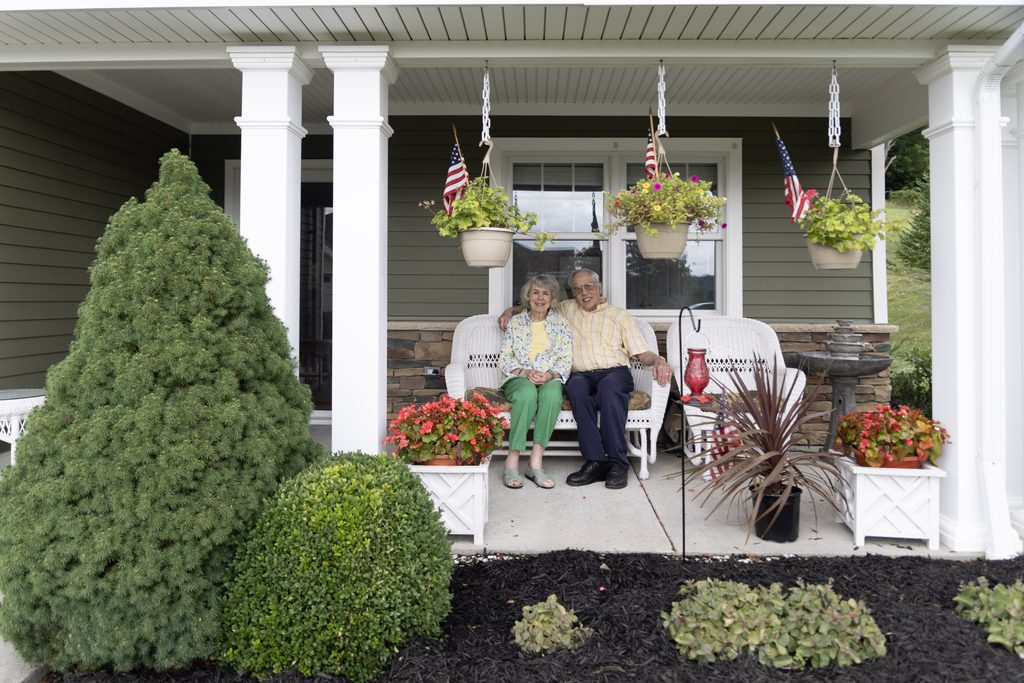
That variety means retirement living doesn’t necessarily mean giving up the type of home you enjoy, because the goal isn’t simply to find a smaller place to live. It’s to find a home and community that fit the retirement lifestyle you want.
Spend Less Time Maintaining a Home
Highpointe at Rebecca resident LaVaughn Antonioli understands the difference firsthand. Before moving to Highpointe, she lived in a three-story split-level home with a swimming pool, gardens and plenty of outdoor upkeep. As she got older, some of that work became more difficult and maintaining the house took time away from other things that mattered to her.
Since moving, she has found that fewer household responsibilities give her more time to help others.
“My house required so much of me that I really didn’t have time to do other things for other people,” LaVaughn said. “Now I do. I appreciate that I can do that. Giving back is kind of a gift to me.”
Today, that includes spending time with other residents who may not get out of their apartments often. For LaVaughn, less home maintenance has meant more time for the people and activities that make retirement meaningful.
Find Community Right Outside Your Door
Moving to a smaller home may change where you live, but it doesn’t necessarily change how you live. LaVaughn experienced that distinction herself. After selling her house, she spent about six months in a traditional apartment while waiting for her apartment at Highpointe to become available.

The temporary apartment worked well, but it reinforced why she ultimately wanted retirement living. She recently gave that same advice to a friend considering selling her house and moving into a traditional apartment.
“I said, ‘That would be like trading one kettle of fish for another,’” LaVaughn said. “You’re changing where you are, not your circumstances.”
At Highpointe, she found something different: a sense of community, with opportunities to meet neighbors and participate in activities while still enjoying the privacy of her own home.
Find a Community That Shares Your Values
For many older adults, choosing a retirement community is also about finding a place where they feel at home and where their values are reflected in everyday life.
As a faith-based organization, Concordia Lutheran Ministries has been serving others in the name of Christ since 1881. Our Christian mission continues to shape our approach to service, fellowship and care for one another.

For LaVaughn, that spirit is something she has experienced personally at Highpointe.
“I just love the Christian attitude of the staff who work here,” she said. “The majority of the people are very sociable, very friendly. They treat Highpointe as a community.”
She remembers that support clearly when she was preparing for a medical procedure.
“I think everybody in this place was praying for me,” LaVaughn said. “One lady just stopped me in the hall and prayed right there with me. People really care.”
For residents who value a faith-based environment, moments like those can make a community feel like much more than simply a place to live.
Think Beyond Your Needs Today
As you consider where to live in retirement, ask yourself another question: Will this home still make sense if my circumstances change?
Many Concordia retirement living communities are part of campuses that offer additional levels of care or have connections to Concordia’s broader network of services. Depending on the location and individual needs, that can include personal care, assisted living, memory care, long-term nursing care, and short-term rehabilitation, as well as in-home care from our home health and hospice service agencies.
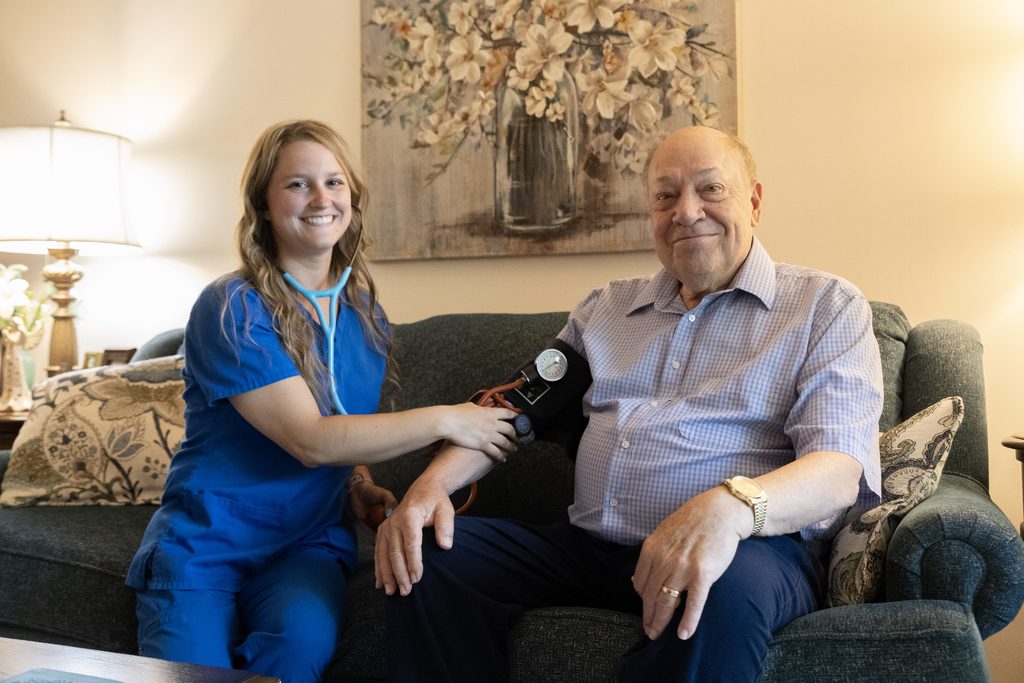
You may never need those services. But knowing additional support is available can provide another measure of security as you choose a home for the years ahead.
So, Where Should You Live in Retirement?
There isn’t one retirement housing option that is right for everyone. If you enjoy maintaining your home and it continues to meet your needs, staying there may make sense. If your goal is simply reducing square footage, an apartment or condo may accomplish that. A 55+ community can offer age-restricted housing and amenities.
But if you’re looking for more than a different home, retirement living is worth a closer look. It can combine privacy and independence with fewer household responsibilities, opportunities for connection, convenient amenities and the reassurance of planning for the future.
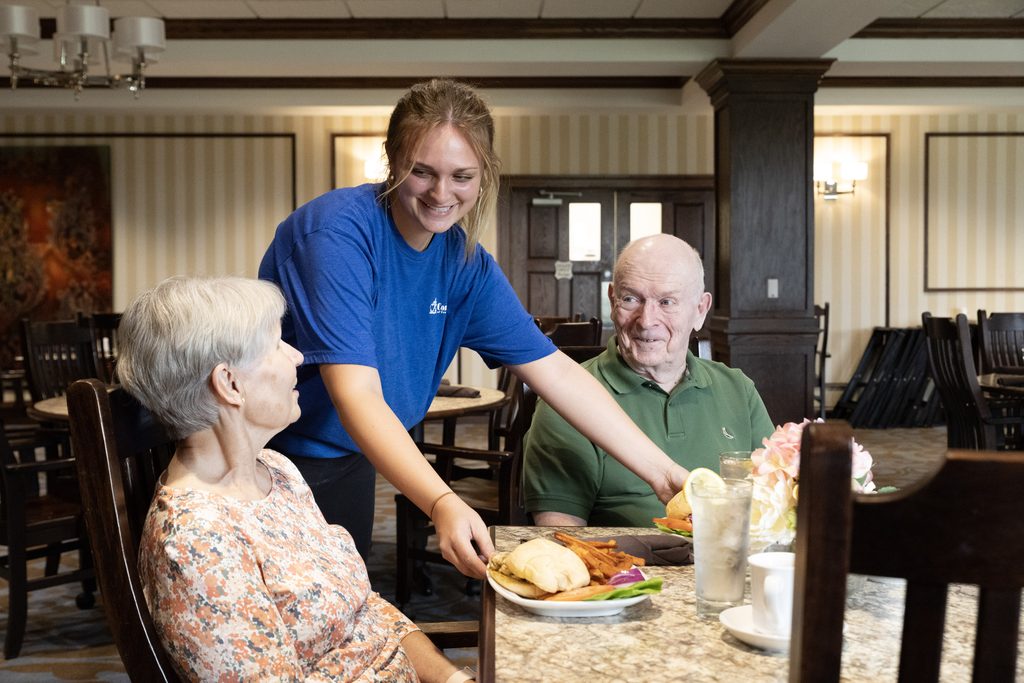
With a worry-free lifestyle built around quality, security and value, Concordia retirement living is about more than where you live. It’s about having more freedom to enjoy the retirement you’ve worked for.
Frequently Asked Questions About Retirement Housing
Is retirement living the same as independent living?
The terms are often used interchangeably. Both generally describe communities for older adults who can live independently but want conveniences such as maintenance, activities and amenities.
Is staying in a paid-off house cheaper than retirement living?
Not necessarily. Even without a mortgage, homeowners still have taxes, insurance, utilities, maintenance and potential major repairs. Compare your total housing expenses with what is included in a retirement living community’s rate.
What is the difference between a 55+ community and independent living?
A 55+ community generally refers to age-restricted housing. Independent living typically combines housing with a retirement lifestyle and may include maintenance, activities, dining, transportation and other amenities.
Do you need care to move into retirement living?
No. Retirement living is intended for people who can live independently, and many residents move while they’re active so they can enjoy the lifestyle and amenities.
What types of homes are available in retirement living communities?
Depending on the community, retirement living can include apartments, cottages, villas, townhomes, patio homes and other housing styles.
Ready to explore your retirement living options? Find a Concordia retirement living community near you or contact us to schedule a personal tour to see which community and housing style feel most like home.
Founded in 1881, Concordia Lutheran Ministries is a faith-based, CARF-accredited Aging Services Network and recipient of the inaugural Pennsylvania Department of Aging Excellence in Quality Care Award. As one of the largest nonprofit senior care providers in the country, the organization serves 50,000 people annually through in-home care and inpatient locations. Concordia offers a lifetime continuum of care that includes adult day services, home health care, hospice, physician and rehabilitation services, memory care, personal care, assisted living, respite care, retirement living, skilled nursing/short-term rehab, spiritual care and medical equipment.
Get Updates From Concordia
There is always a LOT happening at Concordia! Would you like to stay up-to-date with our news and events? Sign up for our monthly e-newsletter here.