Palliative Care Explained: What It Is, What It Isn’t and When It May Help
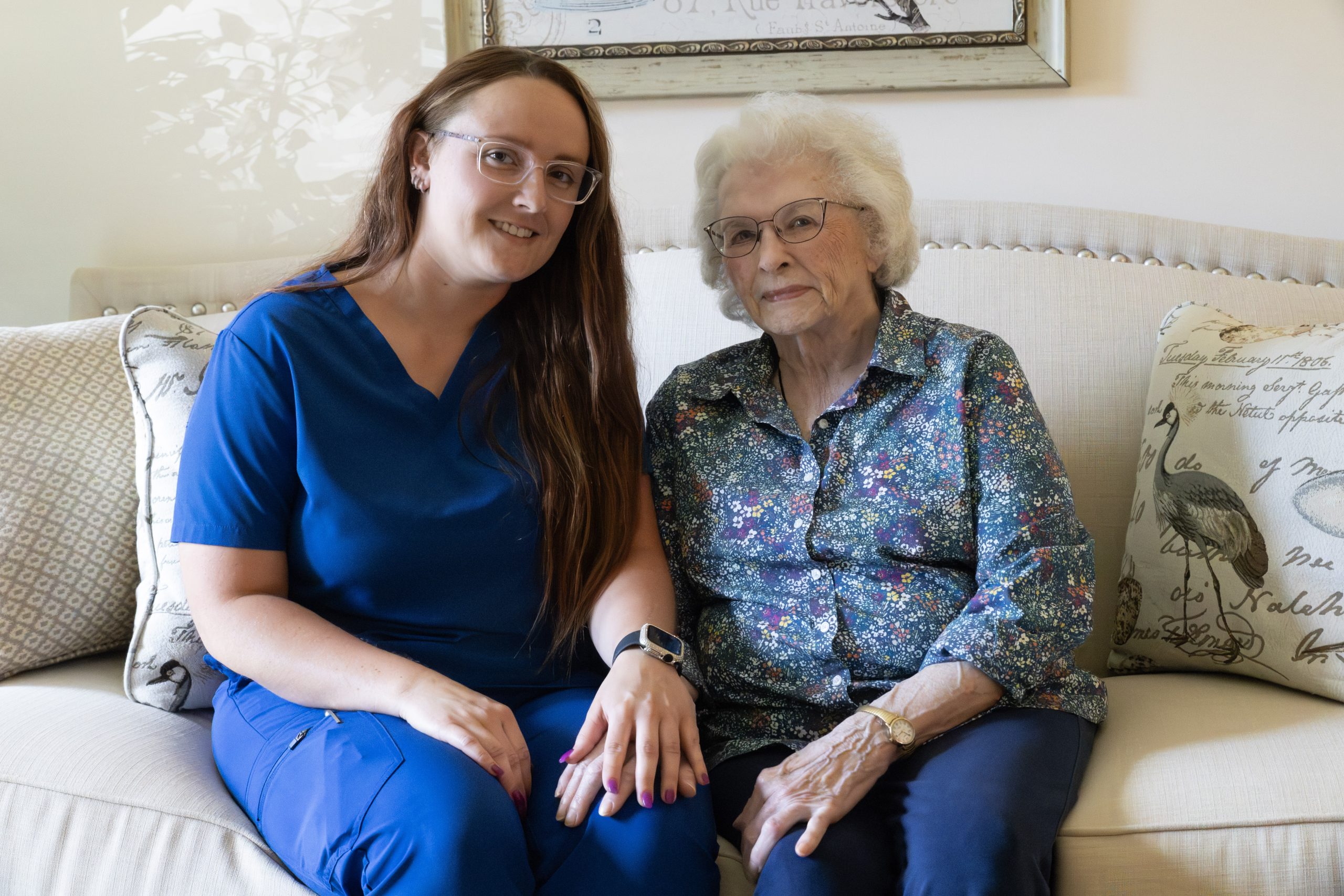
When someone is living with a serious illness, the focus of care often centers on treatment plans, medical appointments and managing symptoms. Along the way, families may hear unfamiliar terms including palliative care and wonder what it means and whether it might help.
Palliative care is often misunderstood. Some people believe it signals the end of treatment, while others assume it is the same as hospice care. In reality, palliative care is about something much broader: providing comfort, relief from symptoms and added support for individuals navigating the challenges of serious illness.
Charlotte Kaltenbaugh, RN, MSN, CHPN, Clinical Manager and Palliative Care Manager for Concordia Visiting Nurses, works closely with individuals and families facing these questions every day. A Certified Five Wishes Facilitator, Charlotte helps guide conversations around care goals while supporting patients living with serious illness through Concordia’s Home and Community Services. This type of care focuses on improving quality of life, supporting comfort and addressing emotional and spiritual needs alongside ongoing treatment.
Through Concordia’s Home and Community Services, individuals may receive this kind of home-based palliative care, helping them remain in familiar surroundings while receiving compassionate support that addresses physical, emotional and spiritual needs.
What is Palliative Care?
Palliative care is a specialized type of medical care designed to improve quality of life for individuals living with serious illness. Rather than focusing only on treating a disease, palliative care looks at the whole person by addressing physical symptoms, emotional well-being and the everyday challenges that can accompany complex health conditions.

Clinical and Palliative Care Manager, Concordia Visiting Nurses
“The focus of palliative care is to provide relief from symptoms and stress, while treating the individual for whatever disease process they may be experiencing,” Charlotte said. “The person’s goals and wishes and improving the quality of life for both the patient and their family are at the forefront of their care.”
She noted that palliative care often supports individuals who are continuing treatment while also managing the side effects or emotional challenges that can accompany serious illness.
“A good example is a cancer patient wanting chemotherapy or radiation treatment to slow the progression of cancer that may have been deemed incurable as well as needing comprehensive management of side effects from the treatment,” she explained. “The individual may also be experiencing anxiety related to treatments and consideration of their own mortality, so spiritual or religious support may be needed or requested. Palliative care can even offer enrichment interventions important for the quality of life, such as attending a family function, continuing to enjoy a long-loved hobby or visiting a special place one more time.”
For many individuals, palliative care can be delivered through home health services, allowing them to remain in the comfort of home while receiving care that prioritizes comfort, dignity and quality of life.
What Palliative Care Is Not
Despite its benefits, palliative care is frequently misunderstood.
“Often, people think that palliative care is only for the actively dying, means a person is ‘giving up’ or abandoning curative treatment or treatment that alters the natural progression of a person’s disease process,” Charlotte said.
She shared that others mistakenly believe palliative care is simply another name for hospice care: “Some people have told me they thought that it is ‘hospice light’ or a ‘bridge to Hospice.’ In practice, palliative care focuses on symptom management and quality of life for people with serious illnesses at any stage.”
While palliative care and hospice both focus on comfort and quality of life, they serve different roles within the continuum of care.
Charlotte explained that for some individuals, palliative care may eventually transition to hospice care – but only if it reflects their personal goals and preferences.
When Might Someone Benefit from Palliative Care?
Palliative care can support individuals at many stages of serious illness, especially when symptoms begin to affect daily life or care becomes more complex.
Charlotte explains that palliative care can provide relief from a wide range of symptoms.
“A person may benefit from palliative care at any stage of a serious, chronic or life-threatening illness – not just near the end of life – to relieve symptoms like pain, fatigue, anxiety or nausea. It is appropriate when a condition impacts quality of life, requiring specialized support alongside curative treatments.”
Individuals undergoing treatments such as chemotherapy or radiation therapy may benefit from additional symptom management. Others living with conditions such as heart failure, COPD, dementia or neurological diseases may need a specialized approach to managing symptoms that affect their quality of life.
Charlotte also notes that many people face more than one health challenge at the same time.
“Often people have more than one problem, maybe cancer and heart failure, so clinical management can become quite complex and that is one thing palliative care pays special attention to.”
Frequent hospital visits, unexpected weight loss, repeated falls or worsening symptoms may also indicate that additional support through palliative care could be beneficial.
How Palliative Care Improves Quality of Life
Living with serious illness often brings physical, emotional and practical challenges – not only for patients but also for their families and caregivers. Palliative care can help.
“Palliative certified specialists ensure patients and families understand treatment options and align care with their personal goals,” Charlotte said. “Providers have advanced training in clarification of care wishes and goals, thereby reducing uncertainty and ensuring preferences are honored.”
Beyond patients’ physical and medical needs, palliative teams also help address other challenges that can arise during serious illness.
“The palliative team assesses for and advocates for psychosocial and spiritual support, addressing emotional distress and improving coping mechanisms for both patients and caregivers.”
Care coordination is another key benefit that palliative teams offer. Individuals with complex conditions often see multiple specialists, and navigating those appointments and treatment plans can become overwhelming.
“They assist in coordinating care across specialists, reducing the burden of managing complex, chronic conditions,” Charlotte said.
Ultimately, palliative care helps ensure that each patient and family is cared for and supported in any way needed.
How Concordia’s Home Health and Hospice Teams Work Together
As a person’s illness progresses, their care needs may change. In some situations, individuals receiving palliative care may later consider hospice services if their goals shift toward comfort-focused care.
Charlotte explains that Concordia’s home health palliative teams and hospice teams work closely together to support patients through these transitions.
“Home health palliative and hospice teams collaborate through shared communication, interdisciplinary planning, and complementary roles to ensure seamless care when patient needs change.”
Regular communication between care teams helps identify when patients may benefit from additional support.
“Both Concordia Hospice of Washington and Good Samaritan Hospice meet regularly together with our liaisons and home health palliative team members to discuss patients with disease progression and repeated hospitalizations,” Charlotte explained. “This helps us avoid unmanaged symptoms and crises so we can work together with our patients for smooth transitions between care services when needed.”
This same collaborative approach extends across Concordia’s home and community services. At agencies such as Concordia Home Health and Hospice of Bethlen and Concordia-IRMC VNA, home health and hospice teams hold standing interdisciplinary meetings to review palliative patients and ensure care remains aligned as needs change.
Together, these teams help ensure patients and families experience continuity of care, with thoughtful transitions and ongoing support as their needs evolve.
Reassurance for Families Considering Palliative Care
For individuals unfamiliar with palliative care, the idea of adding another level of support can sometimes feel uncertain. Charlotte says open communication is often the first step.
“Sometimes, gentle reassurance is helpful in the form of an explanation that palliative care is not just for end-of-life or hospice, but can be used alongside curative treatments to manage symptoms and improve daily life. We emphasize that it adds an extra layer of support for both the patient and family, focusing on comfort, autonomy and managing pain.”
Some families choose to try palliative care for a short time to see how it helps.
“Sometimes, we suggest trying palliative care for a few weeks to see if it helps, emphasizing that they can stop if it does not feel right.”
Most importantly, care always remains centered on the individual and their values.
“We ask open-ended questions like ‘What’s most important to you right now?’ to understand their fears rather than immediately pushing the care and assure them that they still make all their own decisions and that this care respects their personal values.”
Charlotte says the Concordia palliative care team has seen the impact of this approach across the entire continuum of care.
“We, the palliative team at Concordia have many wonderful stories of patients all along the continuum from those who have recovered and needed to be discharged from services to those who we facilitate a transition to hospice.”
If you or a loved one is navigating a serious illness, additional support may help bring comfort and clarity to the journey. Concordia offers a range of care options designed to meet individuals where they are, providing clinical expertise, emotional support and compassionate guidance along the way. Explore the full range of services by visiting: Concordia Home and Community Services
Founded in 1881, Concordia Lutheran Ministries is a faith-based, CARF-accredited Aging Services Network and recipient of the inaugural Pennsylvania Department of Aging Excellence in Quality Care Award. As one of the largest nonprofit senior care providers in the country, the organization serves 50,000 people annually through in-home care and inpatient locations. Concordia offers a lifetime continuum of care that includes adult day services, home health care, hospice, physician and rehabilitation services, memory care, personal care, assisted living, respite care, retirement living, skilled nursing/short-term rehab, spiritual care and medical equipment.
Get Updates From Concordia
There is always a LOT happening at Concordia! Would you like to stay up-to-date with our news and events? Sign up for our monthly e-newsletter here.