When Is the Right Time for Retirement Living?
A move into retirement living feels like a big step for many people. There are plenty of questions about the lifestyle, but one tends to stand out: How do you know when it’s the right time to make the move?
The truth is that the “right time” looks different for everyone. Some people plan and prepare, giving themselves flexibility and control over their future. Others wait until a health crisis forces the decision, which is far less ideal.
People also explore retirement living – often called independent living – for many other reasons, but time moves quickly, so let’s save you some and explore some common elements that make up this monumental decision.
What’s the Most Common Myth Surrounding Retirement Living?
Many people begin their search with misconceptions about retirement living. The most common is that retirement living and nursing homes are the same, but they’re quite different.
Nursing homes provide round-the-clock medical care from skilled professionals over a long period of time. Another name for a true nursing home is a skilled nursing facility, which typically offer both long-term nursing care and short-term rehabilitation. Concordia offers a multitude of other services that don’t fall under the category of nursing home, including personal care, assisted living and memory care. While they all provide care for patients, they do so in unique ways that sets them apart.
Retirement living is completely different than nursing homes or any of the other care levels. It is a living arrangement and a lifestyle with the upside of easy access to all the above.
Many Concordia retirement living communities are part of a Continuing Care Retirement Community (CCRC). This means that if a resident ever needs additional healthcare and support, they can easily transition to get that care – and back to their home when healthy.
But at the end of the day, retirement living residents are living independently on their own terms. They also benefit from a range of amenities and the companionship of a welcoming community of like-minded neighbors.

RELATED: Understanding Retirement Living: Is it Right for You?
What Is the Best Age to Move to Senior Living?
The average age of someone moving into retirement living is around 70-75 years old, but at what age do you have to be to live in a senior community?
Independent living communities typically set minimum age requirements starting that can vary pretty widely by location, even within the same company.
At Concordia, the standard minimum age is 68 at most of our communities, though flexibility may be available in certain situations, such as for couples with age gaps.
Choosing to move earlier allows individuals to make decisions on their own terms, before health or life circumstances dictate the need. It is also important to recognize that there is an optimal window during which residents can fully enjoy the many benefits of retirement living.
To maximize the benefit of independent living, the earlier the better. Planning ahead also allows you to stay in control of your future and choose how you want to spend your retirement years.
How Does Retirement Living Help With Social Isolation?
As people age, social circles naturally shrink. Over time, isolation can significantly impact a person’s ability to live independently.
According to the Office of Disease Prevention and Health Promotion, social isolation and loneliness increase the risk of serious health conditions, including dementia.
“People who have strong social connections have a lower risk of health conditions like heart disease, stroke, dementia and depression. They’re also better able to cope with stress and the challenges of daily life,” said the department in its report. (read more).
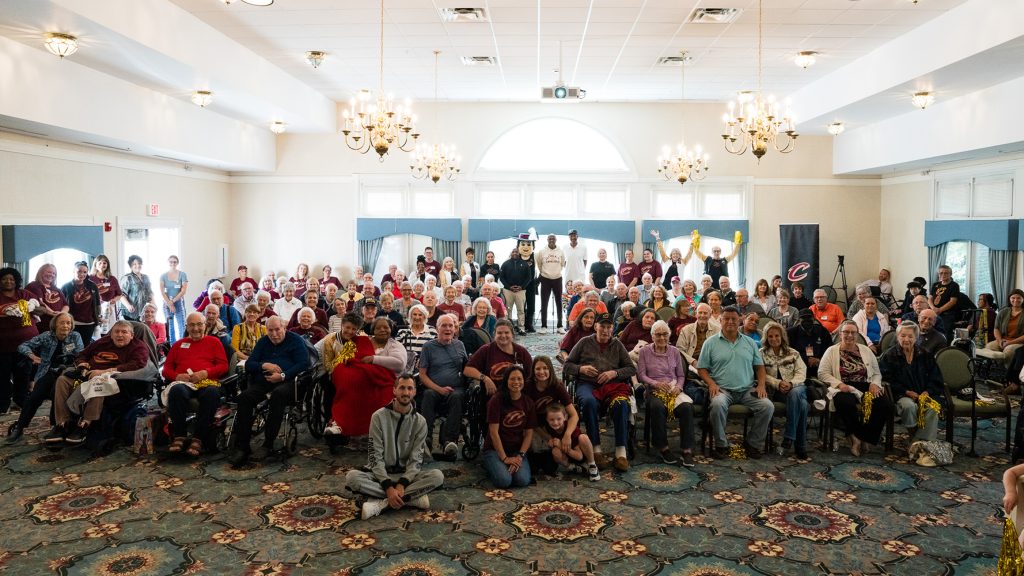
Retirement living communities offer meaningful opportunities for connection, while still respecting personal space and boundaries. Concordia communities provide activities, events, communal dining and shared common spaces that make it easy to stay engaged.
“Concordia provides many opportunities for seniors to reduce isolation, participate in self-care and develop strategies that support long-term independence,” said Maureen Sirianni, Director of Admissions at Concordia of Bridgeville.
RELATED: Questions to Ask at a Retirement Living Tour
Is Retirement Living Easy And Affordable?
Why move for the sake of moving? Many seeking retirement living are looking for a solution to problems, and two of the biggest ones we hear about are financial streamlining and easier home maintenance.
Many seniors remember the economic uncertainty of past decades, and today’s fluctuating costs can create similar concerns. Managing multiple bills and maintaining a home can be costly and time consuming.
“One of the main indicators people point to is difficulty with home maintenance and a desire for more convenient, maintenance-free living,” said Kelsey Josephson, Admission and Resident Coordinator at Concordia at Arbutus Park.
Retirement living can simplify finances by combining many expenses into one predictable monthly payment.
While some services, like phone, cable and internet, may cost extra, many communities include utilities such as water, electric and trash removal. Offerings vary, so it’s important to understand what’s included when evaluating options.
Many Concordia retirement living communities also include housekeeping, and residents don’t have to worry about maintenance, repairs or replacing major appliances.
By removing these responsibilities, residents can focus on enjoying life with greater peace of mind.
“By offering fully maintenance-free residences, Concordia promotes an ‘aging in place’ lifestyle, showing that retirement communities are a lifestyle upgrade rather than a loss of independence,” Kelsey said.
How Do Senior Living Communities Support Healthcare Needs?
As people age, healthcare needs often become more complex. We already touched on this earlier, but being a part of a CCRC is an incredibly valuable resource when looking at retirement living.
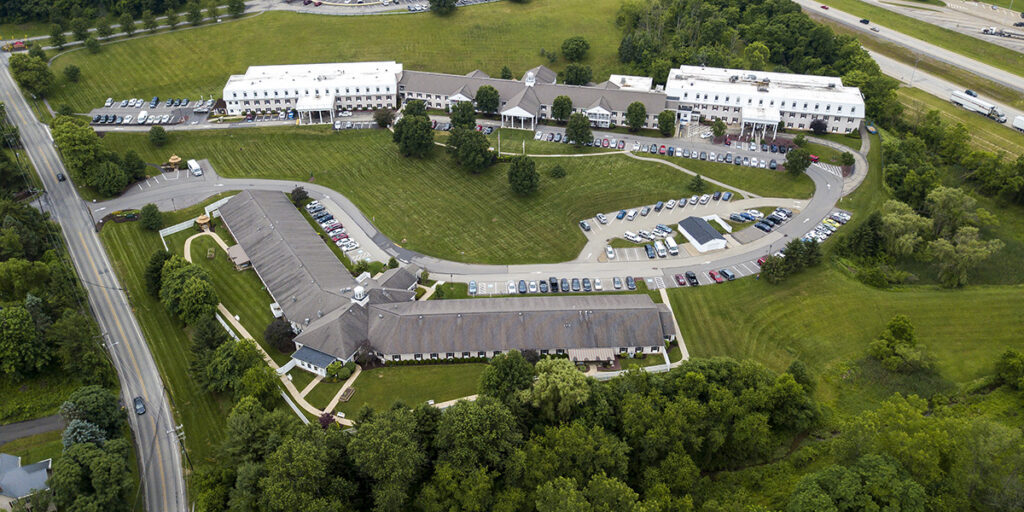
CCRCs help simplify this process by offering access to multiple levels of care within one community. This allows residents to maintain greater control over their healthcare while ensuring support is available when needed.
Many also find that seeking care within their own community can be a great comfort because many of their friends, neighbors and loved ones can easily visit.
“Spouses particularly appreciate that we offer all levels of care in one building at Concordia of the South Hills,” said Christina Wahlen, Director of Marketing. “They can simply walk down the hall to visit their spouse in rehab.”
Seeking retirement living on a CCRC campus is about being proactive rather than reactive. You’ll have the right resources in place before you need them, rather than searching for them when the time comes.
RELATED: More Than a Meal: How Dining Guides Retirement Living Choice
Is It Time to Move Into Retirement Living?
The right time to move into retirement living may be closer than you think.
There are many reasons to explore your options sooner rather than later. While this article highlights a few, your decision is personal and your reasons are valid.
Whether you’re planning for now or for the future, take time to learn about your options. Schedule a tour. Talk with current residents. Ask questions. Keep exploring.
Take the Next Step:
Click the buttons below to explore more helpful information we’ve curated for you.
Founded in 1881, Concordia Lutheran Ministries is a faith-based, CARF-accredited Aging Services Network and recipient of the inaugural Pennsylvania Department of Aging Excellence in Quality Care Award. As one of the largest nonprofit senior care providers in the country, the organization serves 50,000 people annually through in-home care and inpatient locations. Concordia offers a lifetime continuum of care that includes adult day services, home health care, hospice, physician and rehabilitation services, memory care, personal care, assisted living, respite care, retirement living, skilled nursing/short-term rehab, spiritual care and medical equipment.
Get Updates From Concordia
There is always a LOT happening at Concordia! Would you like to stay up-to-date with our news and events? Sign up for our monthly e-newsletter here.